New custom equipment
A functional requirement needs architecture, mechanical definition and a controlled route into supplier engagement.
Engineering · Equipment · Industrial Systems
Equipment & Product Development
Controlled equipment development from concept definition and mechanical design to supplier-ready documentation, prototypes and managed industrial execution.
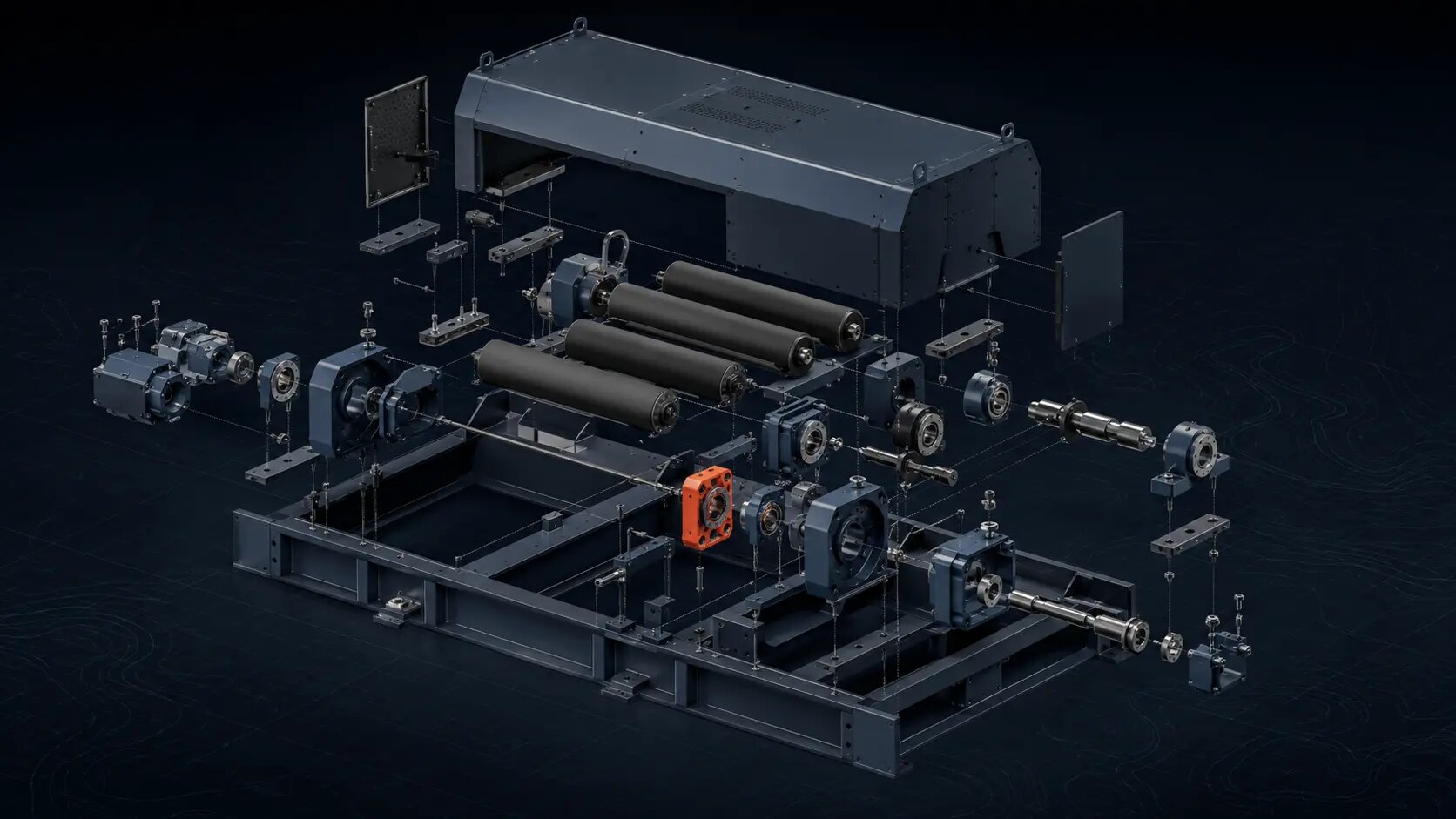
Custom equipment becomes expensive when concept decisions, detailed design, supplier capability and acceptance criteria evolve independently.
MareForge structures development around explicit design gates. The engineering package matures with the evidence, while fabrication and prototype commitments begin only when the technical and commercial entry conditions are ready.
For equipment used on vessels or offshore projects, our Marine & Offshore Engineering service addresses installation, handling and operational interfaces. Where requirements or acceptance criteria remain unresolved, begin with a Technical Assessment before committing to detailed design.
For worked examples, explore our illustrative studies of vessel equipment removal and roller load sharing.
The aim is not simply to issue CAD. It is to release a coherent technical package that a qualified supplier can understand, price, manufacture and verify.
Engagement signals
A functional requirement needs architecture, mechanical definition and a controlled route into supplier engagement.
A concept requires staged development, objective test criteria and explicit learning before repeat manufacture.
Existing equipment must be reproduced, upgraded or rationalised despite obsolete components or incomplete documentation.
A fabricator can manufacture the product, but the requirements, interfaces, drawings or QA basis are not yet supplier-ready.
Defined outputs
Functions, modules, interfaces, operating envelope and design ownership organised into a coherent product structure.
Assemblies, components, interfaces and controlled revisions developed to the maturity required by each gate.
Materials, processes, tolerances, assembly access and supplier capability considered before release.
Controlled component data, material requirements, purchased-part specifications and supplier information.
Proportionate calculations, specialist analysis, reviews and evidence mapped to the product risks and acceptance basis.
First Article configuration, learning objectives, instrumentation and objective test criteria defined before commitment.
Inspection points, material records, NDT requirements and FAT evidence structured for the agreed execution role.
Drawings, specifications, decision records and open items issued at a known maturity and revision status.
Controlled progression
Confirm functions, constraints, commercial model, roles and the evidence needed at each decision gate.
Develop and compare feasible architectures before committing resources to detailed definition.
Stabilise key interfaces, materials, loads, bought-out components and the verification strategy.
Resolve release-blocking risks and confirm that the product is ready for supplier pricing or prototype commitment.
Issue the controlled supplier-ready package and manage technical queries through formal change.
Review manufacturing evidence and testing before qualification or any repeat-production commitment.
Scope boundaries
Commercial discipline
Start a focused conversation